Thailand

Known for its genuine hospitality, rich traditions, and vibrant culture, Thailand is a country where bustling city life meets quiet coastal shores and the distinct heritage of Isan.

Beyond the tropical scenery, it is the warmth, resilience, and open spirit of the Thai people that define the true essence of this beautiful nation

SAWADEE KRAB WELCOME TO THAILAND
Placeholder Picture

Thailand Is Truly The Beautiful
Land Of Smiles

🇹🇭 Thailand Time
Loading...
00:00:00

Thailand captured my heart beyond any place I’ve ever known. It is a land of breathtaking landscapes, matched only by the deep warmth and open-hearted kindness of its people. For more than two decades, Thailand has been so much more than a holiday destination. It has become a true home away from home.

My travels started over 21 years ago, bringing me to so many special corners of the country:

~ Coasts & Islands: Enjoying the energetic coastal vibe of Pattaya and relaxing on the beautiful beaches of Koh Chang.

~ City Life: Exploring the incredible energy, food, and temples of Bangkok.

~ The Heart of Isan: Traveling through the Northeast to experience authentic local life across Khon Kaen, Kalasin, Maha Sarakham, Udon Thani, Nong Khai, Roi Et, and Buriram.

Over the years, I’ve managed to pick up a bit of basic Central Thai and a few Isan phrases, just enough to share a warm smile, order a meal, or share a lighthearted laugh with the locals.

And, of course, I can’t leave out the food. I love Thai cuisine, but my absolute favorite will always be a fresh, spicy Som Tam Thai.

The genuine tolerance, gentle spirit, and hospitality of the Thai people keep me coming back year after year. Whether taking in a quiet moment on the coast or sharing stories over a meal in Isan, Thailand will always hold a very special place in my soul.

Quick Links
Placeholder Picture

A School In Lopburi

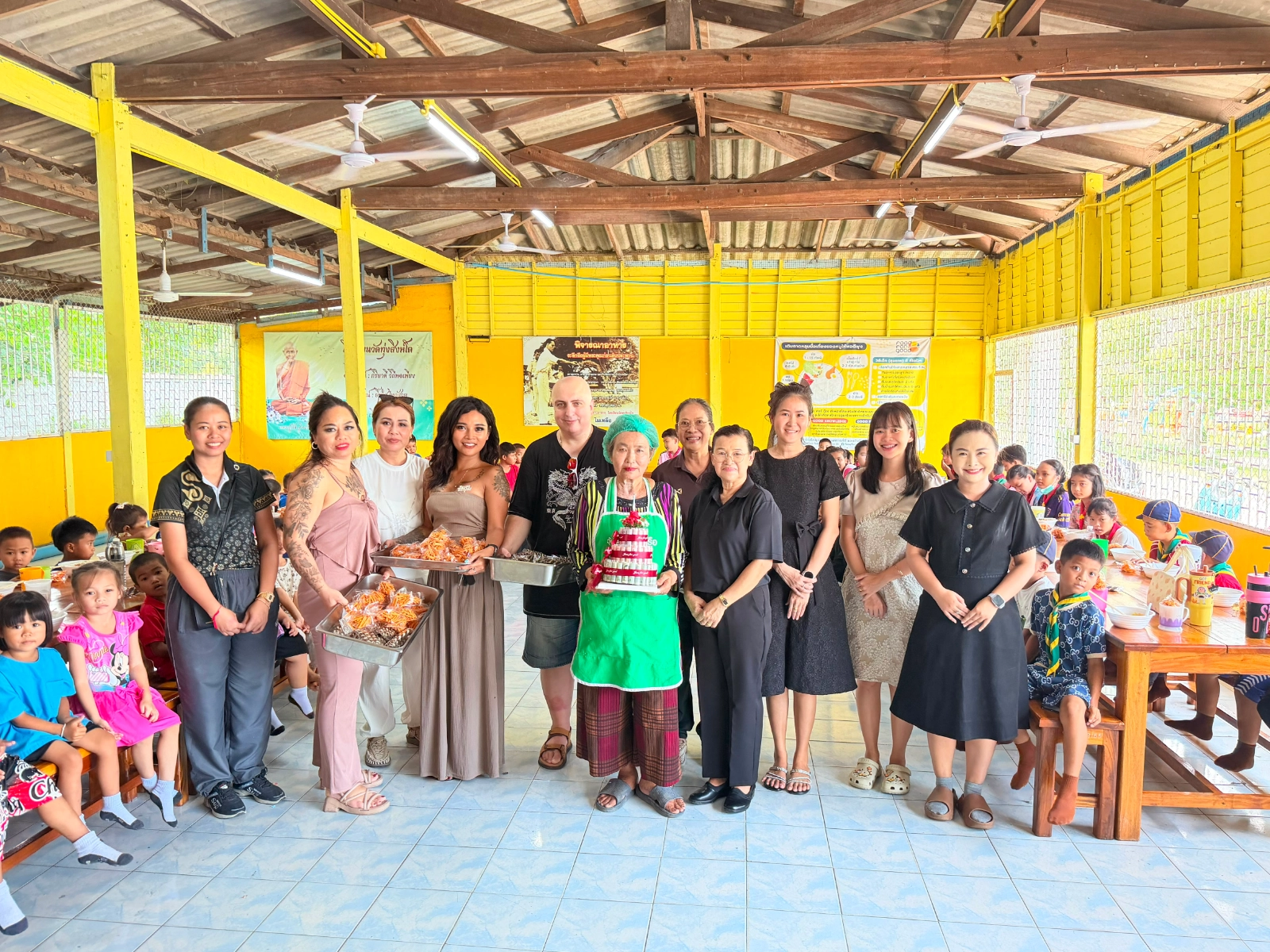
My incredible Thai friends were up at 3:00 AM preparing hot meals from scratch so we could deliver food and snacks to two local schools. Visiting this school was a deeply grounding experience. The facilities are minimal and resources are scarce, yet the children welcomed us with the warmest smiles and pure kindness.

Seeing their genuine joy over something so simple puts everything into perspective. It made me feel incredibly humble and deeply appreciative of the life and comforts I so easily take for granted. Days like this stay with you for a long time. ❤️ Lopburi

Placeholder Picture

Phra Sangkachai

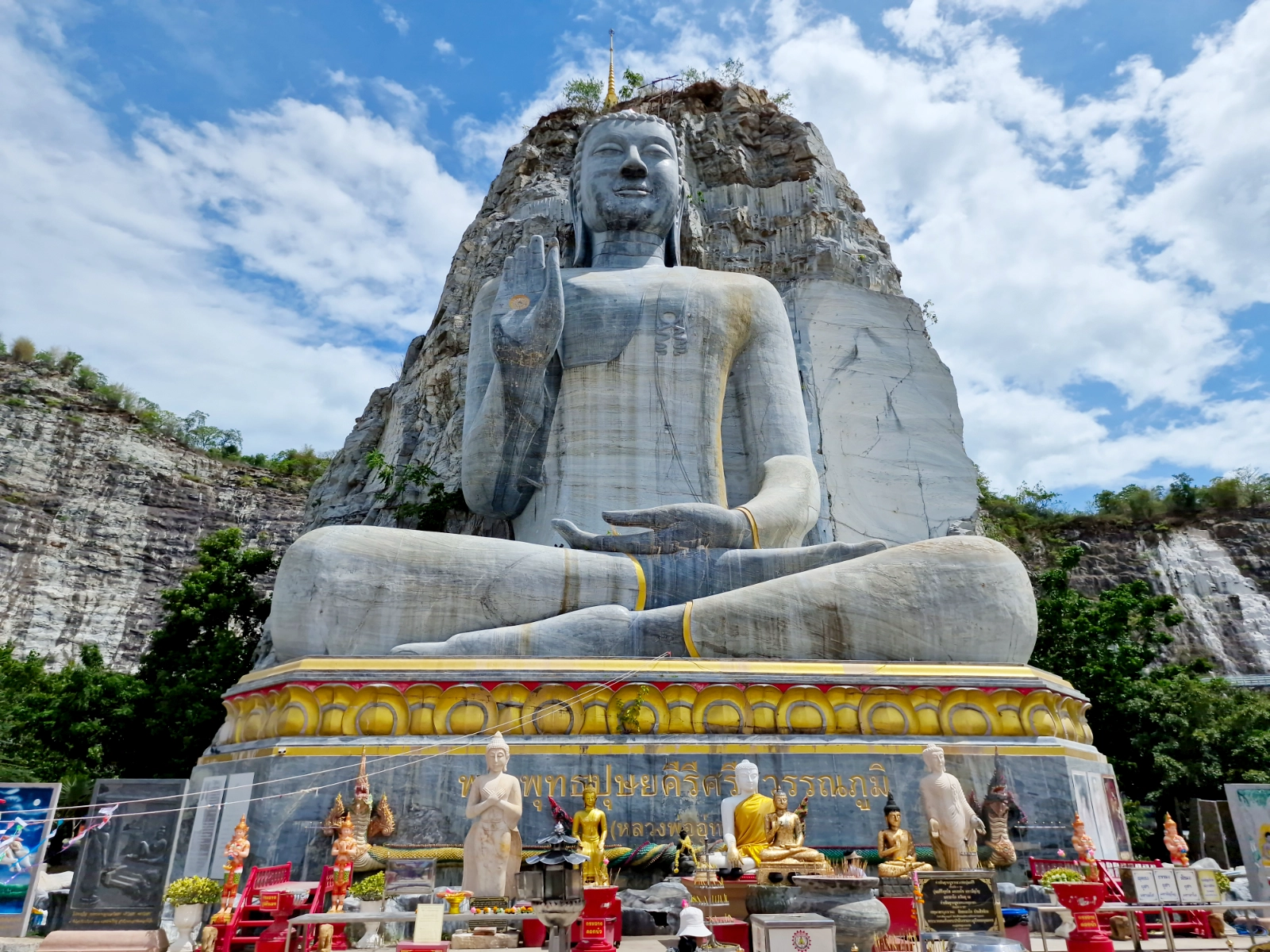
Most foreigners come to Thailand and get given the standard, polite nickname "Chang Noi" (Little Elephant)... but my Thai friends skipped right past that and have been calling me Phra Sangkajai for over a decade now.

For those who don't know the legend, Sangkajai was originally so dangerously handsome that he had to transform himself into a rotund, big-bellied monk just to stop people from falling in love with him on sight.

So today, I finally stood next to the statue for a proper side-by-side comparison... and honestly? The resemblance is scary. The physique, the posture, the absolute dedication to maintaining the belly, they hit the nail right on the head 5555! I guess I'm not overweight, I'm just deeply spiritual 😂🙏

Placeholder Picture

Wang Kan Lueang Waterfall

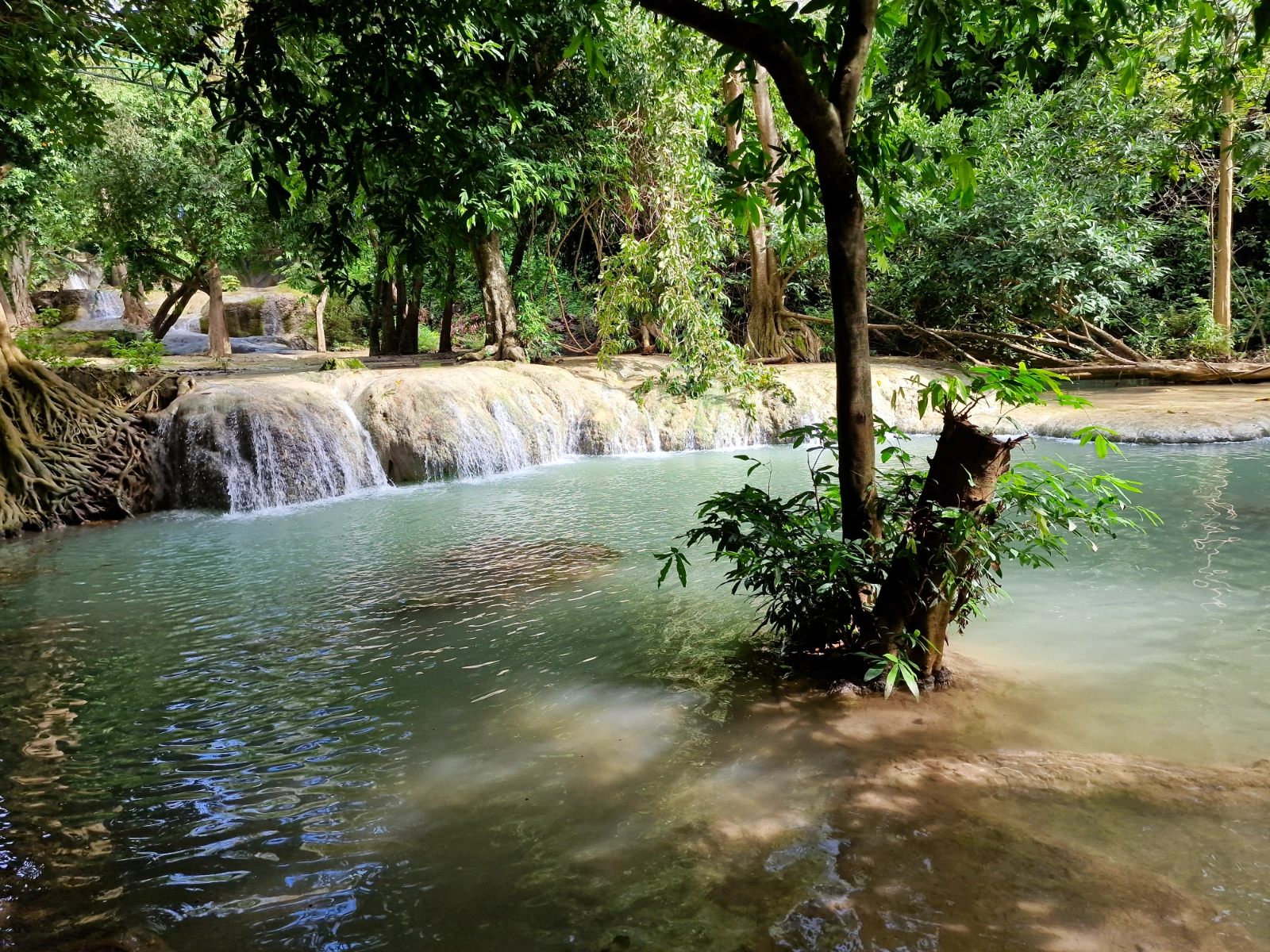
Deep within Lopburi’s lush arboretum lies Wang Kan Lueang a hidden natural spring waterfall where cool, turquoise waters stream endlessly over soft limestone steps. Surrounded by a dense canopy of ancient trees and dappled sunlight, it’s a tranquil oasis where the pace of life slows down and the air feels instantly lighter. Just be mindful of where you step or rest in the surrounding forest centipedes love the damp shade, and you definitely don't want to get bitten!

Placeholder Image

Visitor’s Guide to Thai Etiquette


Thailand is famously known as the "Land of Smiles," and Thai people are exceptionally forgiving of foreigners who make honest mistakes. However, showing awareness of a few core cultural boundaries goes a long way toward showing respect and ensuring warmth wherever you go.

Here are a few key things to keep in mind:
Treat the Monarchy with Utmost Respect: The Royal Family is deeply revered in Thailand. Avoid making light of, criticizing, or joking about the King or Royal Family in public, online, or in conversation. It is both socially taboo and legally protected by strict laws.

Keep Your Feet Grounded (Literally and Figuratively): In Thai culture, the head is considered the highest and most sacred part of the body, while the feet are the lowest and least clean. Avoid pointing your feet directly at people, religious items, or images of the Buddha.
Never step on money (banknotes or coins feature the King’s image).
Refrain from touching anyone on the head, even children, unless you are extremely close with them.

Mind the rules when visiting temples (Wat):

Wear clothing that covers your shoulders and knees.
Take off your shoes before entering main chapel areas or homes.
Avoid climbing or stepping directly on sacred structures or statues for photos.
Women should not directly touch or pass items directly to Buddhist monks (items can be placed on a table or passed through a male intermediary).

Keep Cool in Public
Losing your temper, shouting, or creating a public scene causes everyone involved to "lose face." Thais place a high value on maintaining harmony and composure (Jai Yen, or a "cool heart"). Resolving issues calmly and with a smile will get you much further than raising your voice.

Public Displays of Affection
While holding hands is common among younger generations, overly passionate public displays of affection are generally frowned upon in traditional settings.

Currency Converter Widget
Currency Converter
Interbank Reference Rates & History
£
1 British Pound =
-- THB
1 GBP = -- THB
Data: Real-Time Market Feed
Updated: Just now
Popular Pairs
Base: GBP
Historical Trend
GBP to THB history
Lowest
--
Average
--
Highest
--
Copied to clipboard!
Select Currency
Placeholder Picture

Amazing Thai Food

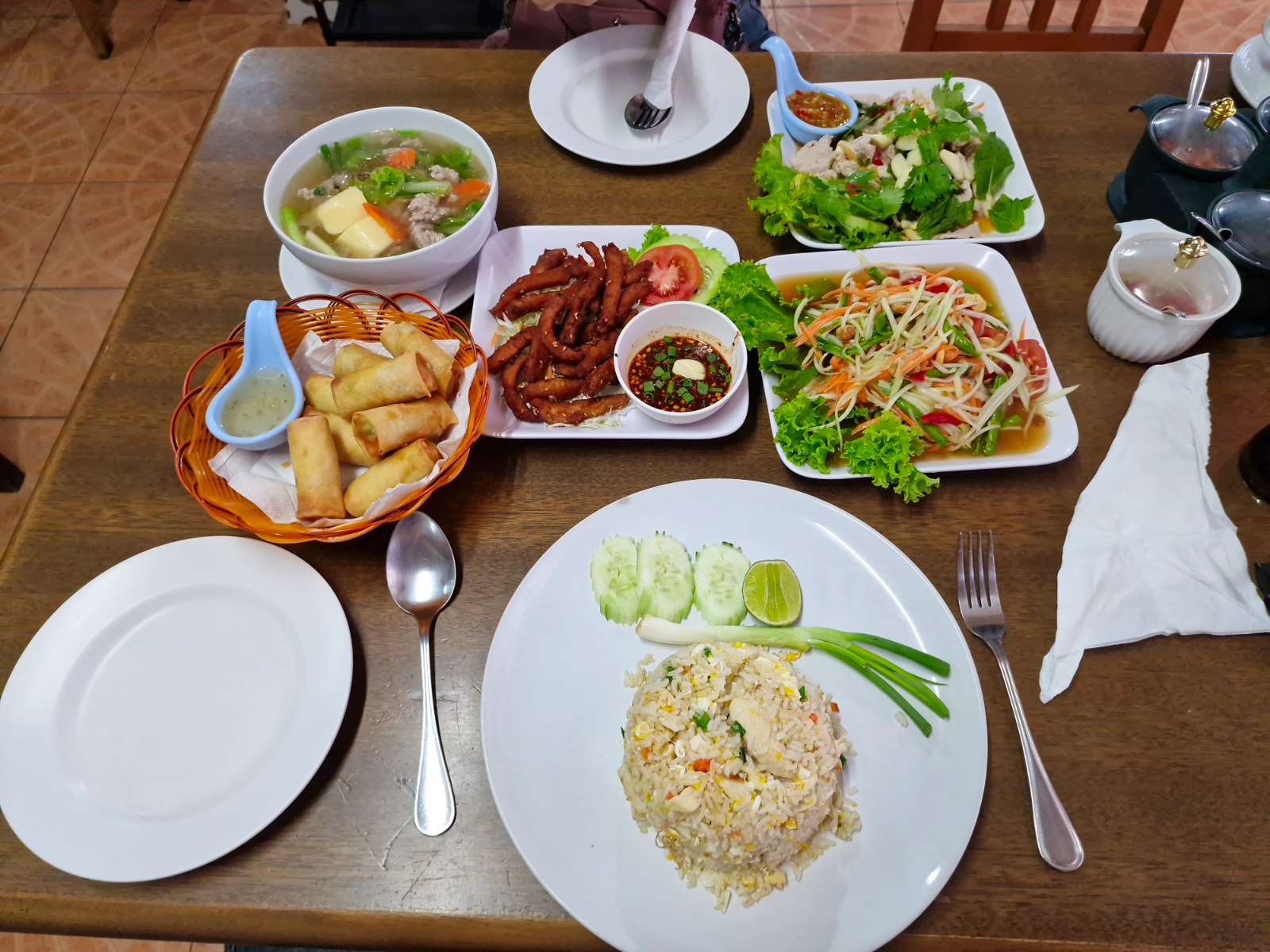
One of the best parts of traveling in Thailand is the food culture where every meal is a vibrant spread of bold flavors. This table is a classic example: a balance of fiery Som Tam, golden crispy spring rolls, savory deep-fried pork strips, and comforting chicken fried rice served with fresh lime and cucumbers. It’s a sensory overload in the absolute best way possible

Placeholder Picture

Koh Chang

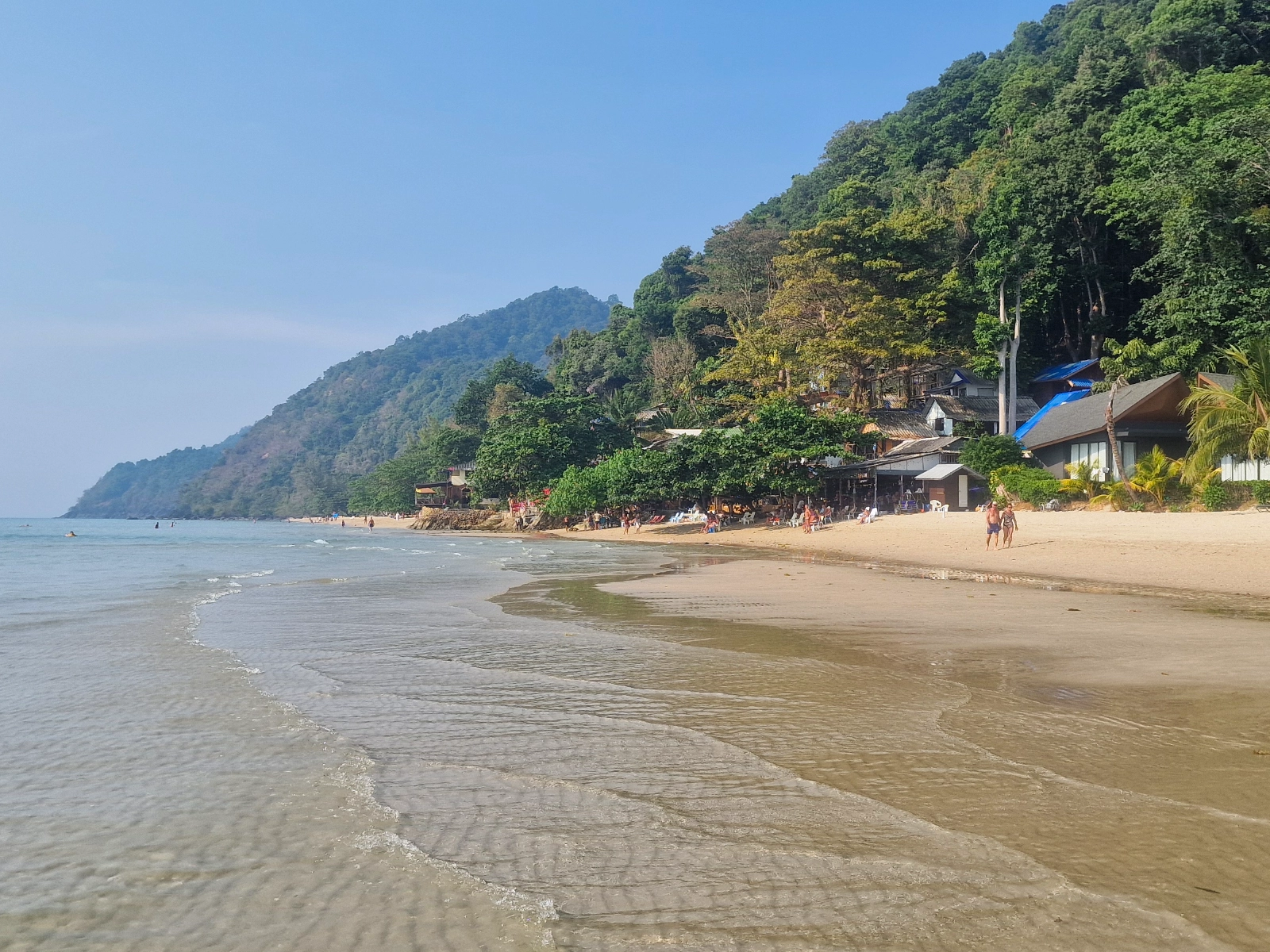
Paradise found on the shores of Koh Chang. White Sand Beach (Hat Sai Khao) delivers that effortless island magic where lush, jungle-covered mountains drop right into calm, clear waters. Strolling along the soft shore at low tide with the calm tide lapping at your feet is the ultimate reminder of why island hopping in Thailand never gets old

Placeholder Picture

Sanctuary of Truth

Tucked away along the coastline, the Sanctuary of Truth feels like stepping into another era. Rising above lush greenery against the backdrop of the Gulf of Thailand, its soaring wooden spires and detailed carvings are breathtaking from every angle. Watching local artisans continually carve and restore this monumental structure makes a visit here deeply inspiring easily one of the most awe-inspiring architectural sites in all of Thailand

Placeholder Image

How to Master the Thai Wai (ไหว้)

The Wai is the traditional Thai greeting consisting of a slight bow with the palms pressed together in front of you (similar to a prayer posture). It signals respect, greeting, appreciation, or apology.

The Basics
The Basic Greeting (Peer to Peer / General Use): Press your palms together at chest level with your fingers pointing upward. Touch your thumbs lightly to your chest and bring your chin slightly down toward your fingertips with a warm smile.

Showing Higher Respect (Elders or Monks): Place your hands higher, bring your thumbs to the tip of your nose or between your eyebrows, and bow your head slightly lower.

Good Rules of Thumb
Don't Wai Service Staff: You do not need to return a Wai to hotel staff, waitstaff, taxi drivers, or shopkeepers. A warm smile and a polite phrase like "Khop Khun Krub" (Thank you) is the natural and friendly response.

Elders Initiate 
Younger people or lower-ranking individuals typically initiate the Wai to older or higher-status individuals. If an elder Wais you first, always return it.

Keep Your Hands Free 
If your hands are full of bags or drinks, don't try to force a Wai, a polite head nod and a smile is completely appropriate.

🌐 Thai Translator
🇬🇧 EN 🇹🇭 TH
Translation will appear here...
Copied!
Quick Thai Essentials
Hello
Sawasdee
Thank you
Khob khun
How much?
Tao rai?
Bathroom?
Hong nam...
Not spicy
Mai phet
Delicious
Aroi
Placeholder Image

Thailand digital arrival card (TDAC) + Entry Requirements


What You Need to Know Before Your Trip
Planning a trip to Thailand? All foreign travelers entering Thailand by air, land, or sea must complete the Thailand Digital Arrival Card (TDAC) prior to arrival. Replacing the traditional paper TM6 entry form, this online system streamlines border control and makes entering the Land of Smiles faster and smoother.

Here is everything you need to know about completing your arrival form on time and avoiding common travel delays.

What is the Thailand Digital Arrival Card (TDAC)?
The TDAC is an electronic travel declaration required by the Thai Immigration Bureau. It collects basic contact information, passport details, travel itineraries, and a brief health declaration.

The TDAC is strictly an arrival registration card, not a visa. If your nationality requires a visa or pre-arranged Electronic Travel Authorization (ETA), you must still obtain that separately. Furthermore, submitting the TDAC is completely free of charge. Be cautious of third-party scam websites that attempt to charge fees for filing.

Who Needs to Fill It Out?
Registration is required for all non-Thai nationals, regardless of age, visa type, or length of stay. This includes infants and children traveling with family.

The only key exemptions are transit passengers who remain airside without passing through Thai immigration control, as well as border-pass holders entering from neighboring nations.

When Should You Complete It?
You can submit your TDAC within 3 days (72 hours) of your scheduled arrival in Thailand. For example, if you are arriving in Thailand on October 10, you can complete the online form anytime starting October 7. The system will not accept submissions attempted earlier than 72 hours before arrival.

Step-by-Step Guide: How to Apply
1. First, visit the official Thai Immigration Bureau portal at tdac.immigration.go.th. Do not use secondary registration sites, the official site which can be found here: https://tdac.immigration.go.th/arrival-card
2. Next, choose whether to register as an individual or add family members traveling together under a group submission.

Then, enter your personal information in standard English without accents or special characters. You will need your full name, date of birth, passport number, expiry date, nationality, flight or vehicle number, port of entry, date of arrival, purpose of visit, full address of your first accommodation in Thailand, and any countries visited within the past 14 days.

Finally, review your entries carefully and submit. Once processed, you will receive a digital confirmation containing a unique QR Code via email.

What to Do Upon Arrival
Upon reaching Thai border control, simply display your TDAC QR Code to the immigration officer on your smartphone or tablet.

As a helpful tip, save a screenshot of the QR code or keep a printed copy in your carry-on luggage in case you experience poor mobile reception or network issues at the airport or border crossing.

Thailand Entry Requirements: Essential Checklist for Foreign Visitors
Heading to Thailand soon? Passing through border control smoothly requires having a few essential documents and preparations in order before you arrive. Here is a checklist of the official entry requirements and what immigration officers may ask you to present upon landing.
Passport Validity and Onward Travel Ticket

Your passport must have at least six months of validity remaining from your exact date of entry into Thailand.

Immigration officers may also request proof of onward or return travel. This means showing a confirmed flight or transit ticket leaving Thailand within the permitted stay period allowed by your visa or visa-exemption status.
Proof of Accommodation and TM30 Reporting

You must be able to demonstrate where you will be staying during your visit. Keep a copy of your initial hotel or resort booking confirmation accessible on your mobile phone or printed out.

If you are staying at a private residence, rented condo, or Airbnb, the property owner or host is legally required to submit a TM30 notification form to Thai Immigration to officially register your presence. While filing the TM30 report is your host's responsibility, keeping a copy of your host's contact details, rental agreement, or local address handy is recommended in case officers request verification.
Mandatory Proof of Financial Means (Cash Requirement)

Under Section 12 of the Thai Immigration Act, officers have discretionary power to check whether incoming travelers hold sufficient financial funds to support themselves during their visit.

For travelers entering on a Tourist Visa or Visa Exemption, the standard legal requirement is equivalent to 20,000 Thai Baht per person, or 40,000 Thai Baht per family. For those entering under a Visa on Arrival, the requirement is 10,000 Thai Baht per person, or 20,000 Thai Baht per family.

Officers specifically require this proof in physical cash or traveler's cheques. Digital bank account balances, mobile banking apps, and credit cards are regularly declined if an officer conducts a spot check. The cash does not need to be in local Thai Baht; major foreign currencies equal to the required amount, such as US Dollars, Euros, or British Pounds, are fully accepted.

Preparation Summary
To ensure a seamless arrival, keep your printed or digital copies of your passport, onward flight ticket, accommodation booking, and physical cash together in your carry-on bag so you can easily present them at the counter if requested.

Cash Limits and Customs Declaration Rules
In addition to demonstrating adequate travel funds at immigration, travelers must adhere to Thai Customs regulations regarding the maximum physical cash permitted when entering or departing Thailand.

Bringing Thai Baht into Thailand
There is no legal upper limit on how much physical Thai Baht currency you can bring into Thailand. However, travelers entering on standard tourist status are typically capped at bringing in up to 50,000 Thai Baht in cash without needing a special customs declaration.

Carrying Thai Baht out of Thailand
Strict limits apply when taking Thai Baht out of the country. If you are traveling to countries that border Thailand—namely Cambodia, Laos, Myanmar, Malaysia, Vietnam, or China's Yunnan province—you can take out up to 2,000,000 Thai Baht, but any amount over 450,000 Baht must be declared to Thai Customs officials upon departure. For travel to any other country worldwide, you are legally permitted to take out a maximum of 50,000 Thai Baht per person without prior authorization from the Bank of Thailand.

Foreign Currency Limits (USD, EUR, GBP, etc.)
There is no limit on how much foreign currency you can bring into or take out of Thailand. However, if the total aggregate value of foreign cash or negotiable monetary instruments you are carrying equals or exceeds 20,000 US Dollars (or the equivalent in other foreign currencies), you are legally required to declare it to a Customs Officer at the Red Channel upon entry or departure. Failing to declare cash above this threshold is a criminal offense under Thai customs law.

Sawadee krab, I hope you enjoy your stay in Thailand, stay safe, chok dee krab....

🇹🇭 Thailand Travel Budget Calculator
Trip Duration (Days)
Destination Region
Travel Style
Home Currency
🏨 Accommodation / Night 1,800 ฿
🍜 Food & Dining / Day 800 ฿
🍹 Nightlife & Leisure / Day 600 ฿
International Flights
Travel Insurance
📊 Estimated Budget Summary
Grand Total Budget
฿ 0
£ 0
Avg: £ 0 / day
🏨 Accommodation 0%
🍜 Food & Dining 0%
🍹 Nightlife & Leisure 0%
✈️ Fixed Pre-Trip Costs 0%
🏧 ATM Fee Estimator: Expect approx. 0 ฿ in ATM fees (0 cash withdrawals recommended).
Placeholder Image

Tourist Visas & Length of Stay Guide


Tourist Visas & Length of Stay Guide
Planning your stay in Thailand requires a quick look at entry regulations to ensure a smooth, hassle-free trip. Whether you are visiting for a short holiday, an island getaway, or an extended travel itinerary, here is everything you need to know about stay durations and visa options.

1. 30-Day Visa Exemption (Entry on Arrival)
Most international tourists arriving in Thailand receive a **30-day Visa Exemption** stamped into their passport upon arrival.

You do not need to apply in advance or pay a fee at the border for this exemption. Your passport must have at least 6 months validity remaining, and immigration officers may ask to see proof of onward travel, such as a return flight ticket within 30 days. Please note that travelers entering via overland border crossings are limited to two visa-exempt entries per calendar year.

2. Extending Your Exemption In-Country
If you arrive on a 30-day visa exemption and decide you want to stay longer, you can extend your stay once for an **additional 30 days** without leaving Thailand.

To extend, simply visit any local Thai Immigration Office (located in Bangkok, Pattaya, Phuket, Chiang Mai, and other major hubs) before your initial 30 days expire. You will need to fill out form TM.7, provide passport photos, and pay the official immigration processing fee of 1,900 THB.

3. Single-Entry Tourist Visa (TR) — For Longer Trips
If you already know before departing that you want to stay in Thailand for up to **60 days**, it is best to apply for a formal **Single-Entry Tourist Visa (TR)** prior to your journey.

This visa gives you an initial 60-day stay right upon arrival and can also be extended in-country at an immigration office for another 30 days, giving you up to 90 days total. It is the ideal option for travelers planning slow travel or who want complete peace of mind with confirmed travel dates before boarding their flight.

4. Applying for Your Tourist Visa Online
All official Thai visa applications must be submitted digitally prior to departure through the official Ministry of Foreign Affairs e-Visa portal.

The entire application process is conducted online without needing to mail in your physical passport. You simply create an account, enter your passport details and location, upload your supporting documents (passport copy, proof of flights, and accommodation details), and receive your approved e-Visa electronically via email.

You can check full requirements and submit your application directly on the Official Thailand E-Visa Website: HERE

📱 STAYING CONNECTED IN THAILAND

A quick guide to local SIM cards, eSIMs, and getting fast mobile data everywhere from Bangkok to rural Isan.

AIS

BEST OVERALL

Best for: Maximum coverage and reliable high-speed data.

AIS has the largest network in Thailand. If you're traveling through rural Isan, remote provinces, or island hopping, AIS consistently offers the strongest signal and stable 5G coverage.

⚡ Popular: AIS Tourist SIM / eSIM

TrueMove H

GREAT SPEEDS

Best for: Major cities, Pattaya, Bangkok, and tourist hubs.

TrueMove H (now merged with dtac) offers ultra-fast 5G speeds in urban zones and tourist areas. They frequently offer competitive tourist packages with free social media data passes.

⚡ Popular: Infinite 5G Tourist Pass

eSIMs

PRE-ARRIVAL

Best for: Instant data the moment your flight lands.

If your phone supports eSIMs, platforms like Airalo, Maya Mobile, or Holafly let you purchase and install your profile before departing. You connect immediately upon landing without waiting in airport queues.

⚡ Popular: Airalo (dtac/AIS network)

💡 INSIDER TRAVEL TIPS FOR MOBILE PHONES

  • Passport Required: Thai law requires real-name registration for all SIM cards. Keep your original passport handy whether buying at the airport or an official carrier shop in a mall.
  • Skip Airport Inflated Prices: Airport kiosks are convenient, but convenience stores (like 7-Eleven) or official carrier shops in shopping malls offer better top-up deals and lower rates.
  • Essential Apps to Install: Download Grab, Bolt, or InDrive for transport, and Google Translate (download the offline Thai language pack) before heading out.
  • 7-Eleven Top-Ups: You can easily top up your phone credit at any 7-Eleven by telling the cashier your carrier name and phone number (or showing your mobile screen).

📲 ESSENTIAL APPS FOR THAILAND

Must-have mobile applications to download over Wi-Fi before landing at the airport.

IMMIGRATION

ENTRY

THIM App: The official digital platform by the Immigration Bureau of Thailand replacing traditional paper arrival cards.

TDAC Submission: Allows international visitors to submit their Thailand Digital Arrival Card and health declarations digitally before departure.

Pro Tip: Fill out your digital entry profile within 72 hours of your flight to speed through immigration check-in.

⚡ Mandatory: THIM (TDAC)

TRANSPORT

RIDES

Grab: The primary super-app across Thailand for cars, motorbikes, and food delivery.

Bolt: Often offers cheaper rates than Grab in Bangkok, Pattaya, and Phuket during surge pricing.

Pro Tip: Set up your credit card in Grab/Bolt before flying to avoid OTP SMS confirmation issues abroad.

⚡ Must-Have: Grab & Bolt

NAVIGATION

TRAVEL

Google Maps: Essential for BTS/MRT routes in Bangkok and finding street stalls.

12Go Asia: Best app for long-distance trains, VIP buses, and island ferry tickets.

Use ViaBus for real-time tracking of local city buses in Bangkok and regional centers.

⚡ Popular: 12Go Asia & Maps

COMMS

CHAT

LINE: Thailand's main chat app. Hotels, tours, and businesses use it for inquiries.

Google Translate: Use camera mode for instant live translation of Thai menus and signs.

Remember to download the Thai offline dictionary pack before traveling.

⚡ Essential: LINE & Translate

SAFETY

EMERGENCY

Tourist Police iLertu: Direct emergency access to English-speaking officers with live GPS location.

XE Currency / Wise: Fast rate checks for precise Thai Baht (THB) conversion on the go.

Check AirVisual to monitor AQI levels if visiting Northern regions during burning season.

⚡ Safety: Tourist Police iLertu

💡 PRE-FLIGHT APP CHECKLIST

  • Digital Immigration (THIM): Complete your Thailand Digital Arrival Card (TDAC) details on the official THIM app prior to boarding your flight.
  • Verify Phone Numbers: Many apps send SMS verification codes during registration. Register Grab, Bolt, and LINE while your home SIM card is still active.
  • Download Offline Data: Go to Google Translate settings and download the Thai language pack for offline use.
  • Save Offline Maps: Open Google Maps, search "Bangkok" or "Pattaya", and select "Download Offline Map" so navigation works even without data.
  • Payment Linkage: Link a credit card (Wise or fee-free card) to Grab so you don't need cash for every ride or food delivery.

⛅ THAILAND SEASONS & WEATHER

Understand Thailand's three distinct weather seasons to plan the perfect trip and pack accordingly.

COOL SEASON

NOV – FEB

Peak Tourist Season: Warm, dry days with comfortable humidity and blue skies.

This is the most popular time to visit. Temperatures range from 28°C to 32°C across Bangkok, Pattaya, and southern islands. Evenings in Northern Thailand (Chiang Mai, Chiang Rai) can feel pleasantly cool.

⚡ Highlights: Best beach weather, festivals, peak crowds

HOT SEASON

MAR – MAY

High Heat & Sun: Intense heat topping 35°C to 40°C with rising humidity.

April brings Songkran (Thai New Year), the world's largest water fight. Note: Northern regions experience "burning season" (smog/AQI spikes) from late February to April, so coastal areas and islands are preferred.

⚡ Highlights: Songkran Water Festival, beach escapes

RAINY SEASON

JUN – OCT

Green Season: Short daily tropical downpours followed by clear skies.

Rain usually arrives in sudden, heavy 1–2 hour bursts rather than all-day drizzle. Hotel rates plummet, landscapes turn vibrant green, and major tourist spots are much less crowded. Peak rainfall occurs in September and October.

⚡ Highlights: Low prices, lush scenery, fewer tourists

💡 SEASONAL PACKING & TRAVEL TIPS

  • Breathable Fabrics: Stick to light, loose cotton, linen, or quick-dry moisture-wicking synthetic clothes year-round.
  • Footwear: Slip-on sandals or lightweight sneakers work best. You will be taking your shoes off constantly when entering homes, temples, and small shops.
  • Monsoon Gear: Keep a lightweight compact umbrella or a 7-Eleven rain poncho in your daypack during the rainy season.
  • Air Conditioning Protection: Malls, BTS trains, long-distance buses, and taxis blast cold A/C—carrying a thin hoodie or light long-sleeve layer is a lifesaver.

✈️ SEARCH FLIGHTS TO THAILAND

Compare real flight routes to Suvarnabhumi Airport (BKK) near Bangkok.

ℹ️ Note: Clicking search will open live flight results in a new tab on an external search provider.
Light Across the Mist

"Every word spoken in understanding is a lantern lit in the mist, reminding us we were never walking this road alone"

'When words reach where they are meant to go, the darkness between us simply vanishes.'

Got Enquiries?

Contact Team Monkey Below

Contact Us
Email Phat Monkey